
The Ultimate Guide to Scalp Care While Wearing Wigs
Wigs are a go-to for protective styling and beauty transformations, but what about your scalp underneath? Whether you're new to wigs or a seasoned wearer, maintaining a healthy scalp is crucial. In this guide, we'll answer common scalp care questions, uncover the scalp issues caused by improper wig habits, and share tips to keep your scalp healthy. Plus, we’ll recommend wig options like Vnorca1 glueless wigs and V-part wigs that make scalp care easier.
🤔 Common Questions About Scalp Care

Source: created by Vnorca1.com
Why does my scalp itch when I wear a wig?
Itching can be caused by a dry scalp, product buildup, sweat, or a poorly ventilated wig cap. It may also be a sign your scalp needs a break.
How often should I cleanse my scalp under a wig?
Aim to cleanse your scalp at least once a week, or more if you're sweating frequently or using styling products.
Can wearing a wig every day damage my scalp?
Yes—if you don’t give your scalp proper attention. Constant friction, lack of airflow, and trapped moisture can lead to irritation or even hair thinning.
What’s the best way to moisturize my scalp while wearing wigs?
Use lightweight, non-comedogenic oils or scalp sprays that won’t clog pores. Apply directly to the scalp using an applicator bottle for precision.
🔍 What Causes Scalp Health Issues When Wearing a Wig?

Source: created by Vnorca1.com
Wearing wigs alone isn’t the issue—it’s how you wear and maintain them. Here are some common causes of scalp problems:
Tight Wig Caps:
Excess pressure restricts blood flow and causes tension headaches or hair loss along the hairline.
Lack of Ventilation:
Source: Vnorca1.com
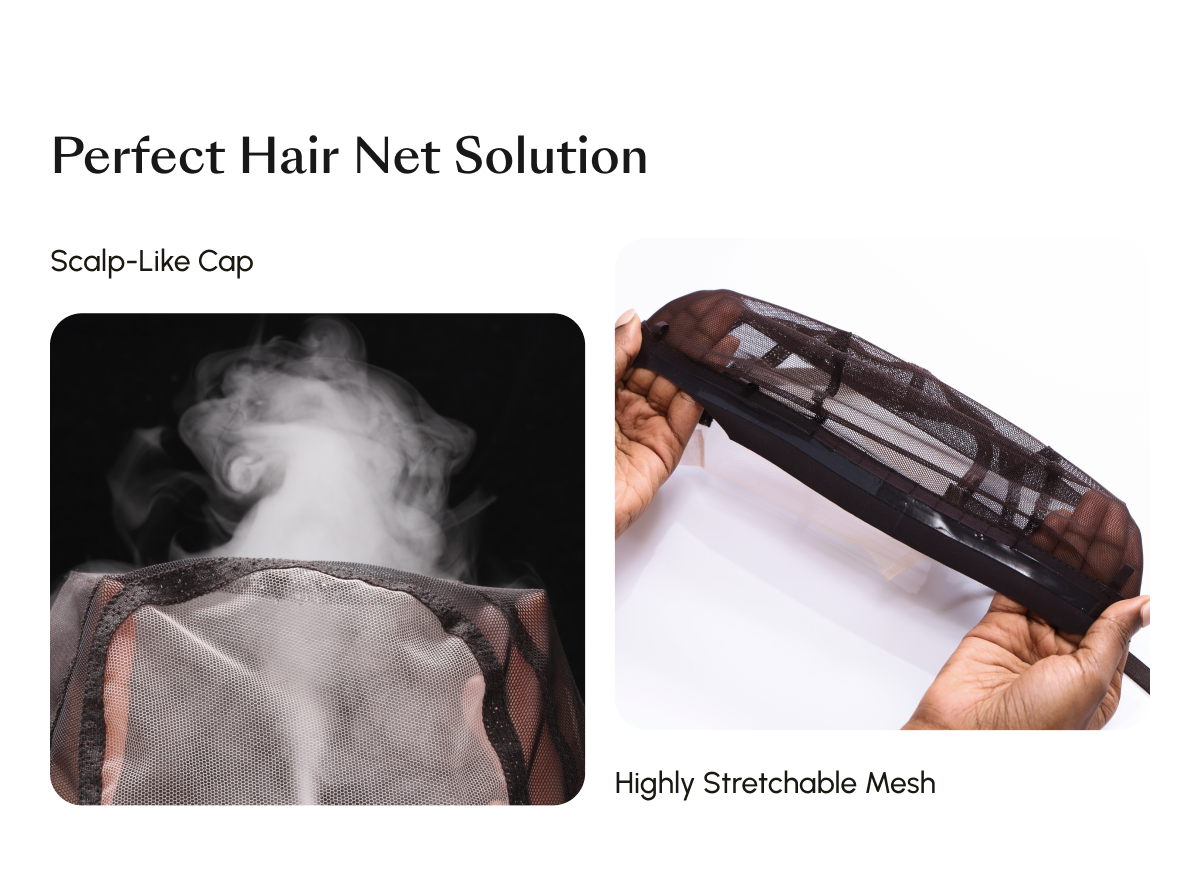
Non-breathable wig caps can trap heat and sweat, creating a breeding ground for bacteria.
Improper Cleansing:
Not cleaning your scalp or the inside of your wig can lead to buildup and clogged follicles.
Sleeping in Wigs:
Constant friction and no air circulation at night irritate the scalp and weaken natural hair.
Glue or Adhesive Overuse:
Strong adhesives can cause allergic reactions, clogged pores, and skin sensitivity.